
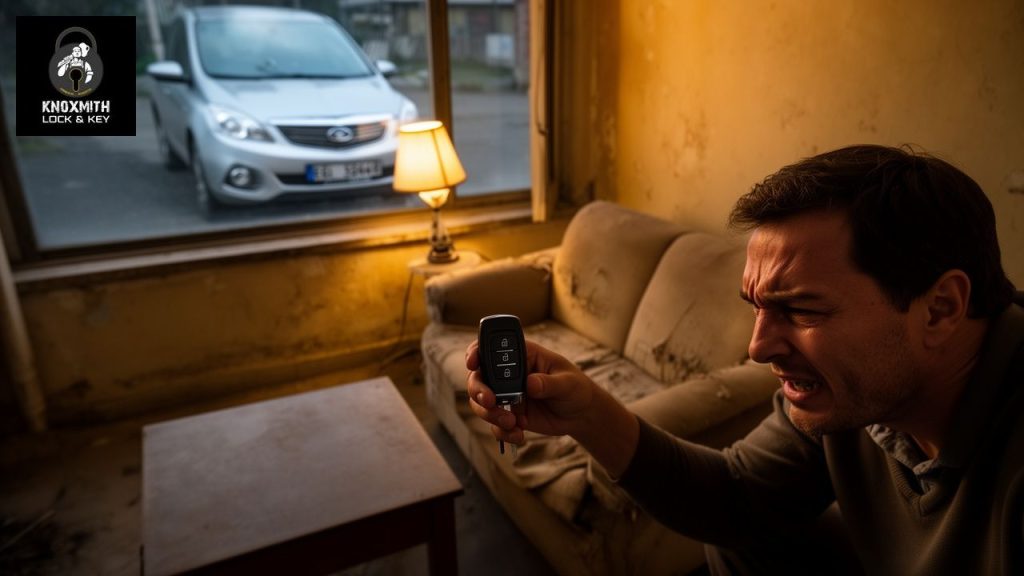
A car key fob can stop working for several reasons, but a dead battery is only one possibility. A weak signal, damaged buttons, loose battery contacts, lost synchronization, or a problem with the vehicle’s keyless-entry system can also prevent the fob from responding. The right first step is to identify whether the problem is with the fob itself or with the vehicle.
Simple checks can often identify the cause without immediately purchasing a replacement. If the fob still does not work after basic troubleshooting, professional key fob programming, repair, or replacement may be necessary.
Start With These Quick Key Fob Checks
Before replacing the entire fob, a few basic checks can help narrow down the problem.
First, try the spare key fob if one is available. If the spare works normally, the problem is more likely to be isolated to the original fob. If neither fob works, the vehicle may need further diagnosis.
Next, check the battery. Make sure it is the correct type, installed in the proper direction, and making firm contact with the terminals. A new battery will not help if the contacts are loose or damaged.
The fob should also be inspected for cracks, broken buttons, water exposure, or signs of impact. These problems can damage the electronics inside even when the exterior still looks usable.
Common Reasons a Key Fob Stops Working
Dead or Weak Key Fob Battery
A weak or depleted battery is one of the most common reasons a key fob becomes unresponsive. A typical symptom is reduced operating range. The vehicle may respond only when the fob is very close to it, or the buttons may work inconsistently.
Replacing the battery is usually the simplest first step. The correct battery type varies by fob, so the existing battery or vehicle owner’s manual should be checked before purchasing a replacement.
If the fob still does not work with a new battery, the problem may be elsewhere.
Damaged Buttons or Housing
Key fob buttons are used frequently and can wear over time. A button may become difficult to press, feel different from the others, or stop producing a response.
A cracked housing can also allow moisture and dirt to reach the internal electronics. If the fob has been dropped or crushed, internal components may have been damaged even if the buttons still appear normal.
A replacement shell may solve a cosmetic or housing problem when the original electronics are still functioning. However, damaged circuit-board components generally require more than a simple shell replacement.
Loose or Dirty Battery Contacts
Changing the battery does not always solve the problem because the battery must maintain a proper connection with the fob’s internal contacts.
If the contacts are bent, dirty, corroded, or damaged, the fob may work intermittently or not respond at all. The battery should sit securely inside the compartment rather than moving around when the fob is handled.
If the contacts or circuit board appear damaged, further disassembly should be approached carefully because attempting a repair can cause additional damage.
Water or Impact Damage
Key fobs are small electronic devices and can be affected by water, moisture, drops, or other physical impacts.
If a fob becomes wet, remove the battery as soon as practical and avoid repeatedly pressing the buttons while moisture may still be present inside. If liquid has reached the circuit board, professional inspection may be appropriate.
A severely damaged circuit board may not be worth repairing and could require replacement instead.
Lost Synchronization or Programming
Sometimes the fob itself is physically fine but the vehicle no longer responds to its commands. Depending on the vehicle, the remote may need to be synchronized or programmed again.
Programming procedures vary significantly by make, model, and year. Some vehicles provide an owner-accessible procedure, while others require diagnostic equipment or a vehicle-specific security procedure.
For more information about professional programming and replacement options, see the key fob programming page.
Vehicle-Side Problems
Not every key fob problem originates inside the fob.
If multiple working fobs suddenly stop operating, the issue may involve the vehicle’s receiver, battery, electrical system, keyless-entry system, or another vehicle-side component.
This is why testing a spare fob is useful. If one fob works and another does not, attention can usually begin with the non-working fob. If neither works, the vehicle itself may need to be checked.
Key Fob Troubleshooting at a Glance
| Symptom | Possible Cause | First Step |
| Very short operating range | Weak battery or interference | Replace the battery and retest |
| No response from buttons | Battery, contacts, buttons, or electronics | Check battery and inspect the fob |
| One fob works but another does not | Problem with the affected fob | Inspect, repair, program, or replace it |
| Both fobs stop working | Vehicle-side or shared issue | Have the vehicle and fobs diagnosed |
| Fob works intermittently | Battery, contacts, buttons, or internal damage | Check battery and physical condition |
| Car says “Key Not Detected” | Weak battery, programming, or vehicle issue | Try the vehicle’s backup detection procedure |
| Doors unlock but vehicle will not start | Possible immobilizer or key-recognition issue | Have the key and vehicle checked |
How to Tell Whether the Fob or Car Is the Problem
One of the most useful troubleshooting steps is comparing the behavior of the primary and spare fobs.
If the spare fob locks and unlocks the vehicle normally, the original fob is the more likely source of the problem. The battery, buttons, contacts, programming, or internal electronics can then be investigated.
If both fobs fail at the same time, replacing both batteries may be worth checking first. If that does not restore operation, the vehicle’s keyless-entry or electrical system may require diagnosis.
Another clue is whether the fob can unlock the doors but the vehicle will not start. On vehicles with transponder or smart-key systems, unlocking the doors and authorizing the engine to start can involve different functions. A starting problem may therefore require a different diagnosis than a remote-button problem.
When the issue involves the vehicle recognizing a transponder or smart key, a dedicated transponder key replacement resource provides more relevant information.
What If a New Battery Does Not Fix the Key Fob?
A new battery eliminates one common cause, but it does not automatically mean the fob needs to be replaced.
Check that the battery is the correct type and installed in the correct orientation. The contacts should also be inspected for looseness, dirt, corrosion, or damage.
If the fob still does not communicate with the vehicle, possible causes include damaged electronics, a failed button, lost synchronization, or a programming issue.
Some vehicles allow owners to perform a manufacturer-specific pairing procedure. Others require specialized equipment. The vehicle’s owner’s manual should be checked before attempting a programming procedure.
If professional programming is needed, the key fob programming information explains when replacement and programming may be involved.
What If the Car Says “Key Not Detected”?
A “Key Not Detected” message does not necessarily mean the key fob is permanently broken.
A weak battery can prevent a proximity system from detecting the fob reliably. Some vehicles also have a manufacturer-specific backup method for starting the vehicle when the fob battery is weak or the normal detection method is unavailable.
The exact procedure varies by vehicle. It may involve placing the fob in a designated location inside the vehicle or holding it near a specific area while pressing the start button.
The owner’s manual is the best source for the correct emergency detection procedure for a particular vehicle.
If the vehicle continues to report that the key is not detected with a known-good fob, the issue may involve programming, the vehicle’s receiver, or another component of the key-recognition system.
When Should a Key Fob Be Repaired or Replaced?
Not every damaged key fob requires complete replacement.
A worn plastic shell may be replaceable when the internal electronics are still working. Similarly, a worn button may sometimes be repairable depending on the construction of the fob and the extent of the damage.
Replacement becomes more likely when the circuit board has significant damage, the electronics have failed, the fob has severe water damage, or the vehicle no longer accepts the fob after appropriate troubleshooting.
When replacement is necessary, the type of vehicle and key system determine what is required. Some vehicles use basic remote fobs, while others use integrated transponder or proximity systems that require programming.
For a broader overview of replacement options, see the complete car key replacement guide.
OEM vs. Aftermarket Key Fobs
Vehicle owners may encounter both OEM and aftermarket replacement fobs.
An OEM fob is made for the vehicle manufacturer, while an aftermarket fob is produced by another company. Compatibility is important with either option because the physical appearance of a fob does not guarantee that it will communicate correctly with a particular vehicle.
Before purchasing an aftermarket replacement, the vehicle’s make, model, year, key system, and required functions should be confirmed. Some vehicles also require programming after a replacement fob is obtained.
Choosing the wrong fob can result in additional expense if the replacement is incompatible or cannot be programmed to the vehicle.
When Professional Key Fob Help Makes Sense
Basic troubleshooting is appropriate for simple problems such as a depleted battery or an obvious issue with the battery connection. Professional assistance becomes more useful when the problem involves programming, damaged electronics, a replacement fob, or a vehicle that no longer recognizes a known-good key.
Professional help can also be useful when all working keys or fobs have been lost. In that situation, the vehicle may require a new key or fob and the appropriate programming procedure.
If a replacement is needed, the car key replacement cost information for Knoxville can help explain the factors that influence the final price.
Key Fob Troubleshooting Checklist
Before purchasing a replacement, check the following:
- Test the spare fob if available.
- Replace the battery with the correct type.
- Confirm the battery is installed in the correct direction.
- Check whether the battery sits firmly against the contacts.
- Inspect the buttons and housing for physical damage.
- Look for signs of water or moisture exposure.
- Check the vehicle owner’s manual for a manufacturer-specific backup or pairing procedure.
- If neither fob works, consider whether the problem may be vehicle-side.
- If programming or replacement is required, confirm compatibility before purchasing a new fob.
Frequently Asked Questions
Why is my key fob not working after changing the battery?
A new battery does not rule out other problems. The battery may be installed incorrectly, the contacts may not be making proper contact, or the fob may have damaged electronics. The remote may also require vehicle-specific synchronization or programming.
How do I know if my key fob battery is dead?
Reduced operating range, intermittent button response, and complete loss of remote functions can indicate a weak or depleted battery. Replacing the battery with the correct type is a practical first troubleshooting step.
Can a damaged key fob be repaired?
Sometimes. A damaged shell, worn button, or minor contact problem may be repairable when the internal electronics remain functional. Significant circuit-board or water damage may make replacement a better option.
Why does my car say “Key Not Detected”?
The message can appear because of a weak fob battery, a programming or recognition issue, or a problem with the vehicle’s key-detection system. The correct backup detection procedure depends on the vehicle, so the owner’s manual should be checked.
Can a locksmith program a replacement key fob?
Depending on the vehicle, a locksmith may be able to program a replacement key fob. Requirements vary by make, model, year, and security system. Some vehicles require specialized diagnostic equipment.
When should a key fob be replaced instead of repaired?
Replacement may make more sense when the circuit board or electronics are severely damaged, the fob has extensive water damage, or repair is not practical. A replacement may also be necessary when the vehicle no longer accepts the original fob.
Final Thoughts
A non-working key fob does not automatically mean that a completely new key is required. Battery condition, battery contacts, buttons, physical damage, synchronization, programming, and vehicle-side problems should all be considered before deciding on replacement.
Testing a spare fob and checking the battery are two of the simplest ways to narrow down the problem. If those steps do not restore operation, the next step depends on the vehicle and the symptoms. Programming, repair, or replacement may be necessary when the issue involves the fob’s electronics or the vehicle’s security system.
For drivers who need help diagnosing a failed remote or determining whether replacement and programming are required, Knoxmith Lock & Key can assist with automotive key and fob services in Knoxville, TN. Call 865-213-2545 to discuss the vehicle and the symptoms before deciding on the next step.