Skip to content

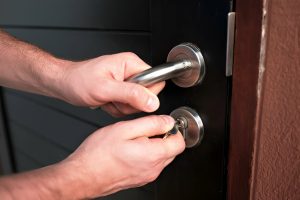
Selecting the right door lock requires matching the hardware’s security rating with the specific needs of the entryway. For primary exterior doors, the most effective choice is an ANSI Grade 1 or Grade 2 deadbolt. These locks provide the necessary resistance against physical force and picking. Interior doors generally require lower security levels, such as Grade 3 knobs or levers, which focus more on privacy than preventing forced entry.
The following guide provides a technical breakdown of lock types, security standards, and installation requirements. Understanding these variables ensures that the chosen hardware provides lasting protection and functionality for any residential or commercial property. Knoxmith Lock & Key provides this information to help property owners make informed decisions based on industry performance data and hardware specifications.
Understand the ANSI Grading System
The most reliable way to judge a lock’s strength is through the grading system established by the Builders Hardware Manufacturers Association. This organization sets the standards for the American National Standards Institute (ANSI) to test locks for longevity and resistance to force.
Grade 1 represents the highest level of security. These locks are typically used in commercial buildings where high traffic and high risk are common. A Grade 1 deadbolt must withstand 10 strikes of 75 foot-pounds of force. Grade 2 locks are the standard for high-quality residential use. They offer a balance between cost and security, handling five strikes of 75 foot-pounds. Grade 3 is the lowest acceptable grade, providing basic residential security. These are often found on secondary doors or interior rooms.
Primary Lock Types for Different Entryways
Different doors serve different purposes, and the hardware must reflect that. A heavy steel front door often requires a high-grade deadbolt or a reinforced mortise lock, whereas a wooden bedroom door is better suited for a light-duty knob or lever set.
Single Cylinder Deadbolts
The single cylinder deadbolt is the most common residential lock. It features a keyhole on the outside and a thumb turn on the inside. This design allows for quick exit during emergencies. However, if a door has glass panes, an intruder could break the glass and reach inside to turn the thumb turn.
Double Cylinder Deadbolts
These locks require a key for both sides. They offer higher security for doors near windows because an intruder cannot simply reach in and unlock the door. The trade-off is safety during a fire or emergency. If the key is not nearby, exiting the building becomes difficult. Some local building codes actually prohibit these in residential settings for safety reasons.
Smart Locks and Electronic Entry
Data from Fortune Business Insights indicates that the smart lock market is expanding as more people seek convenience and remote monitoring. These locks replace the traditional keyed cylinder with a keypad, biometric scanner, or Bluetooth connection.
Bonus Tip: When choosing a smart lock, prioritize models that include a physical key backup. Electronic components can fail due to battery depletion or software glitches, and a physical override prevents lockouts.
Technical Specifications and Performance Comparison
When evaluating hardware, comparing specific performance metrics helps narrow the choices. The table below outlines the typical applications and strengths of various lock formats.
| Lock Type | ANSI Grade | Best Application | Key Strength |
|---|---|---|---|
| Commercial Deadbolt | Grade 1 | Business Front Doors | Maximum drill and strike resistance |
| Residential Deadbolt | Grade 2 | Main House Entries | High cycle life and kick-in protection |
| Mortise Lock | Grade 1 or 2 | Luxury Homes/Commercial | Heavy-duty chassis and integrated latch |
| Electronic Keypad | Grade 2 | Garage Entry/Side Doors | Convenience and access tracking |
| Privacy Knob | Grade 3 | Bathrooms/Bedrooms | Low cost and easy operation |
Evaluate the Door Material and Preparation
Before purchasing a lock, the physical state of the door must be checked. Not every lock fits every door without modification.
Borehole Size and Backset
Most modern doors have a standard borehole of 2-1/8 inches in diameter. Older doors might have smaller holes that require enlarging with a hole saw kit. The backset is the distance from the edge of the door to the center of the borehole. Standard measurements are either 2-3/8 inches or 2-3/4 inches. Many modern locks come with adjustable latches to fit either size, but confirming this before purchase is necessary.
Door Thickness
Standard interior doors are usually 1-3/8 inches thick, while exterior doors are 1-3/4 inches thick. High-security or custom doors may be thicker. If the door exceeds standard measurements, a thick door kit might be required to ensure the spindle and mounting screws reach through the entire assembly.
Factors to Consider Before Making a Decision
Security is about more than just the lock itself. The surrounding environment and the users’ habits play a role in which hardware will perform best over time.
- Strike Plate Strength: The lock is only as strong as the frame it connects to. Using a heavy-duty strike plate with 3-inch screws that reach the wall stud is more important than the lock grade in many cases.
- Weather Exposure: Electronic locks and certain finishes like oil-rubbed bronze can degrade if exposed to direct rain or extreme salt air near the coast.
- Key Control: If many people need access, a smart lock with individual codes is more secure than handing out multiple physical keys that can be copied without permission.
- Handing: While many locks are reversible, some levers are specific to right-handed or left-handed doors. Check the swing of the door before buying.
Practical Maintenance and Longevity
High-quality hardware is an investment that requires occasional care. A report on home security from Consumer Reports suggests that even the best locks can fail if the door falls out of alignment. If a door sags, the bolt will not line up with the strike plate, causing friction and premature wear on the internal mechanics.
Bonus Tip: Avoid using thick oils or WD-40 inside lock cylinders. These attract dust and grime, which eventually gums up the pins. Instead, use a dry graphite lubricant or a Teflon-based spray to keep the movement smooth.
Common Questions Regarding Lock Selection
Many people wonder if they can mix brands or if smart locks are “hackable.” Mixing brands is possible but can lead to a “heavy keychain” since different manufacturers use different keyways. Regarding smart locks, while digital vulnerabilities exist, most burglaries remain low-tech. A report from the National Institute of Justice emphasizes that forced entry through the door remains a primary threat, meaning the physical strength of the smart lock is usually more important than its encryption level.
Frequently Asked Questions
Can I rekey a new lock to match my existing house key?
This is possible if the new lock uses the same keyway as the old one. For example, a Schlage key will not fit into a Kwikset lock. Look for the brand name on the key to ensure compatibility before purchasing new hardware.
Is a smart lock less secure than a traditional deadbolt?
Not necessarily. Most high-quality smart locks use a Grade 2 deadbolt chassis, which is the same physical strength as a standard residential lock. The security depends on the physical build quality and the user’s password hygiene.
What is a mortise lock and do I need one?
A mortise lock is a large, rectangular unit that fits into a pocket carved into the edge of the door. They are extremely durable and common in older homes or high-end commercial buildings. They are difficult to install as a DIY project and usually require professional preparation of the door.
How long do electronic locks last on a single set of batteries?
Most modern electronic locks last between 6 and 12 months with normal use. Factors like cold weather, frequent use, or a door that is difficult to latch can drain the batteries much faster.
Final Decision Guidance
Choosing the right door lock involves a logical assessment of the door’s location, the desired level of convenience, and the existing door preparation. Knoxmith Lock & Key suggests prioritizing a Grade 1 or 2 deadbolt for all entry points to ensure the highest level of physical protection. Property owners should verify the backset and door thickness before purchasing and consider reinforcing the door frame to maximize the effectiveness of the new hardware. Always choose hardware that matches the daily needs of the household or business while providing a reliable barrier against unauthorized entry.
Contact Information
Selecting the perfect security hardware is a vital step in protecting any property. For professional guidance or assistance with complex installations, contact Knoxmith Lock & Key by calling 865-213-2545. For detailed inquiries or to discuss specific hardware specifications for a large project, reach out via email at management@knoxmith.com. The team provides expert support to ensure every entryway is secured with the most appropriate and reliable locking systems available.
Sources
- Builders Hardware Manufacturers Association – The primary authority on hardware grading and performance standards in the United States.
- Fortune Business Insights – A global market research firm providing data on the adoption and trends of smart lock technology.
- Consumer Reports – An independent organization that tests and reviews consumer products for safety and reliability.
- National Institute of Justice – The research, development, and evaluation agency of the U.S. Department of Justice, providing insights into burglary patterns and entry methods.